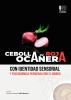
Cebolla roja ocañera con identidad sensorial y fisicoquímicapermeada por el origen: Ocaña red onion with sensory and physicochemical identity permeated by origin
Palabras clave:
Cebolla, Sensorial, Ocaña, Estudio, Investigación, Identidad, FisicoquímicaSinopsis
La cebolla Ocañera es un producto que goza de reconocimiento regional y nacional que, de una manera, ha logrado una identificación específica, por parte del consumidor. Esta reputación especial ha sido derivada esencialmente de su origen geográfico, así como por sus características de sabor, olor y color concentrados que no se identifican en ninguna otra variedad de cebolla. Este producto hortofrutícola está dirigido para el consumo en fresco y en vinagre, principalmente, existiendo otras variedades de cebolla que han aprovechado esta identidad de cebollitas ocañeras para lograr un nicho en el mercado nacional.
En la actualidad, la competitividad de los mercados obliga a diferenciar los productos, por lo que el interés del presente libro, es demostrar que la cebolla Ocañera, es un producto que tiene una vinculación directa con su origen, considerando los resultados prácticos, verificables y documentados a lo largo de cinco años de lecciones de investigación obtenidas. Para ello se ha realizado búsqueda y análisis de documentos y estudios de casos en este ámbito, así como los diferentes mecanismos que existen para proteger y fomentar nuevos productos con indicaciones geográficas, cuya finalidad es justamente distinguir el origen de un producto y su vínculo con características determinadas y, cuya reputación se atribuya a su origen, siendo ejemplos a seguir productos como el champagne (Francia), tequila y mezcal (México), café de Colombia (Colombia), que para el caso de la cebolla Ocañera, no está legalmente registrada, pero es utilizada simbólicamente con fines comerciales.
Descargas
Referencias
AGRONET. (2021). Estadísticas agropecuarias. https://www. agronet.gov.co/Estadisticas/Paginas/default.aspx.
AGROSAVIA. (2023). Banco de Germoplasma de la Nación para la Alimentación y la Agricultura (SBGNAA). https://www.agrosavia.co/Nosotros/Bancos-de-Germoplasma/Ban-co-de-Germoplasma-Vegetal.
APGIII. (2009). An update of the Angiosperm Phylogeny Group classification for the orders and families of flowering plants: APG III. Botanical Journal of the Linnean Society, 161(2), 105-121. https://doi.org/10.1111/j.1095-8339.2009.00996
Carravedo, M., & Mallor, C. (2007). Variedades autóctonas de cebollas españolas. In Centro de Investigación y Tecnolo-gía. http://www.sidalc.net/cgi-bin/wxis.exe/?IsisScript=inia. xis&method=post&formato=2&cantidad=1&expresion=m-fn=031202
Castell, V., & Díez, M. J. (2000). Colección de semillas de cebo-Ila del centro de conservación y mejora de la agrodiversidad Valenciana. Instituto nacional de investigación y tecnología agraria y alimentaria.
CORPOICA-ICA, Mejía, J., & Jaramillo, D. (1993). Cebolla Oca-ñera. In Liliaceas en Colombia.
CORPOICA. (2005). Zonificación agroecológica, evaluación económica y organización socioempresarial de sistemas de producción prioritarios en el área de desarrollo rural Cata-tumbo. https://www.corpoica.org.c
DANE. (2022). Sistema de información de precios y abasteci-miento del sector agropecuario. Componente de abasteci-miento de alimentos (SIPSA_A).
Davies, D. (1992). Alliums. The ornamental onions. Timber Press, Incorporated.
Ekşi, G., Gençler Özkan, A. M., & Koyuncu, M. (2020). Garlic and onions: An eastern tale. Journal of Ethnopharmacology, 253 (April 2019). https://doi.org/10.1016/j.jep.2020.112675
Emir, C. & Emir, A. (2021). Phytochemical analyses with LC-MS/MS and in vitro enzyme inhibitory activities of an endemic species "Allium stylosum O. Schwarz" (Amaryllidaceae). South African Journal of Botany, 136, 70-75. https://doi.or-g/10.1016/j.sajb.2020.04.023
FAO. (2022). FAOSTAT Statistical database. https://Www.Fao. Org/Faostat/En/#data/QCL.
Friesen, N., Smirnov, S. V., Shmakov, A. I., Herden, T., Batlai, O., & Hurka, H. (2020). Allium species of section Rhizomatosa, early members of the Central Asian steppe vegetation. Flora, 263(1). https://doi.org/10.1016/j.flora.2019.151536
Fritsch, R. M., & Friesen, N. (2002). Evolution, domestication and taxonomy. Allium Crop Science: Recent Advances, 5-30. ht-tps://doi.org/10.1079/9780851995106.0005
García, A. (1985). Recomendaciones en segunda aproximación para los cultivos de cebolla ocañera y piña en el distrito de Ocaña (NS).
GBIF. (2023). Allium cepa L. var. cepa L in GBIF Secretariat: GBIF Backbone Taxonomy. Checklist Dataset. https://www. gbif.org/species/2857697 2857697
Goldman, I. L., & Schroeck, G. (2001). History of public onion breeding programs in the united States. Plant Breeding Re-views, 20, 67-103.
Golubkina, N., & Caruso, G. (2020). Chapter 5 - Onion (A. K. Β. T.-N. C. and A. P. of F. and V. Jaiswal (ed.); pp. 73-87. Aca-demic Press. https://doi.org/https://doi.org/10.1016/B978-0-12-812780-3.00005-2
Govaerts, R., Kington, S., Friesen, N., Fritsch, R., Snijman, D. A., Marcucci, R., Silverstone-Sopkin, P. A., & Brullo, S. (2021). World Checklist of Amaryllidaceae Family.
Halnet, P. (2018). Taxonomy, evolution, and history. Onions and Allied Crops, 1-26.
Havey, M. J. (1993). 4 - Onion: Allium cepa L. Genetic improve-ment of vegetable crops. https://doi.org/10.1016/B978-0-08-040826-2.50008-4
Higuita, F., & Jaramillo, J. (n.d.). Cebolla de bulbo. In Manual de hortalizas (pp. 287-310).
ICA, I. C. A. (1983). Generalidades de la producción de hortali-zas en Colombia. In Hortalizas manual de asistencia técnica (pp. 5-20).
ICAR-NBPGR. (2013). Status of Collections at National Gene-bank (NGB). http://www.nbpgr.ernet.in/Research_Projects/Base_Collection_in_NGB.aspx
Jang, J. E., Baasanmunkh, S., Nyamgerel, N., Oh, S.-Y., Song, J.-H., Yusupov, Z., Tojibaev, K., & Choi, H. J. (2023). Flower morphology of Allium (Amaryllidaceae) and its systema-tic significance. Plant Diversity. https://doi.org/10.1016/j. pld.2023.06.009
Japon Q., J. (1982). Cultivo Extensivo De La cebolla. In Hojas Divulgadoras. https://www.mapa.gob.es/ministerio/pags/bi-blioteca/hojas/hd_1982_18.pdf
Jaramillo, J., Palacios, Y., & Osorio, J. (1996). Aspectos gene-rales de la producción de ajo y cebollas: capítulo 2. In A. Corporación Colombiana de Investigación Agropecuaria & P. Programa Nacional de trnasferencia de tecnología (Eds.), Liliaceas en Colombia (pp. 1-42).
Jay, M. (2016). The acient Allium. Onion and Garlic. A global History (Reaktion B).
Jones, H. A., & Mann, L. K. (1963). Onions and their Allies. Bo-tany, Cultivation, and Utilization (Interscience (ed.)).
Knudsen, H. (2000). Directorio de Colecciones de Germoplas-ma en América Latina y el Caribe.
Krontal, Y., Kamenetsky, R., & Rabinowitch, H. D. (1998). La-teral development and florogenesis of a tropical shallot: A comparison with bulb onion. International Journal of Plant Sciences, 159(1), 57-64. https://doi.org/10.1086/297521
Largo Villa, O. E., & Hernandez Salamanca, R. (2006). Analisis de la producción y comercialización de la cebolla de bulbo, Allium cepa, en el municipio de Choachi, Cundinamarca.
Li, Q. Q., Zhou, S. D., He, X. J., Yu, Y., Zhang, Y. C., & Wei, X. Q. (2010). Phylogeny and biogeography of allium (Amarylli-daceae: Allieae) based on nuclear ribosomal internal trans-cribed spacer and chloroplast rps 16 sequences, focusing on the inclusion of species endemic to China. Annals of Botany, 106(5), 709-733. https://doi.org/10.1093/aob/mcq177
MADR, M. de A. y D. R. (2019). Estrategia de ordenamiento de la producción cadena productiva de la cebolla de bulbo. In Dirección de cadenas agrícolas y forestales (Vol. 8, Issue 5). https://sioc.minagricultura.gov.co/Papa/Normatividad/Plan de Ordenamiento papa 2019-2023.pdf
McCollum, G. D. (1976). Onion and allies, Allium (Liliaceae), in Evolution of Crop Plants, London, 1976, chap. 53. (Longman (ed.)).
Meléndez, S. J. (1980). La región de Ocaña y su desarrollo (Se-gunda ed). Amdaqui impresores Ltda.
Pandey, A., Kumar, P., Rai, K. M., & Ahlawat, S. P. (2022). Genus Allium L. of the Indian Region: A Field Guide for Germplasm Collection and Indentification (I.-N. B. of P. G. Resources (ed.)).
PDEA, P. D. de extensión agropecuaria. (2020). Plan departa-mental de extensión agropecuaria PDEA Norte de Santan-der. http://hdl.handle.net/20.500.12324/36541
Perković, J., Major, N., Ban, D., Cvitan, D., & Ban, S. G. (2021). Shallot species and subtypes discrimination based on morphology descriptors. Plants, 10(1), 1-18. https://doi. org/10.3390/plants 10010060
Platt, E. S. (2003). Garlic, Onion and other Alliums (Stackpole Books (ed.)).
Portella-Vilca, G., Palomares-Anselmo, E. G., Sánchez-Calle, M. T., Campos-Julca, A. P., & Montemayor-Mantilla, J. M. (2021). Selección de variedades de cebolla amarilla para la costa central de Perú. Revista Investigación Agraria, 3(3), 30-36.
Rabinowitch, H., & Brewster, L. (1990). Onions Allied Crops. CRC Press.
Rabinowitch, H., & Currah, L. (2002). Allium Crop Science: Recent Advances. https://www.cabidigitallibrary.org/doi/book/10.1079/9780851995106.0000
Ramírez J., J. C., & De Aguas P., J. M. (2017). Configuración territorial de las provincias de Colombia: ruralidad y redes (CEPAL (ed.); Copyright©).
Rincón, J., & Zanguña, M. F. (2019). Análisis de grupo de las uni-dades productivas de cebolla de bulbo (Allium Cepa L.) en el distrito de riego del alto de Chicamocha (DRACH). In Univer-sidad pedagógica y tecnológica de Colombia seccional Duita-ma (Vol. 2, Issue 1). http://www.scopus.com/inward/record.ur-1?eid=2-s2.0-84865607390&partnerID=tZOtx3y1%0Ahttp://books.google.com/books?hl=en&lr=&id=2LIMMD-9FVXkC&oi=fnd&pg=PR5&dq=Principles+o-f+Digital+Image+Processing+fundamental+techniques&am-p;ots=HjrHeuS_
Rullán, G. F. (2012). Conjunto tecnológico para la producción de Cebolla. Estación Experimental Agrícola, 156, 10.
Seregin, A. P., Anačkov, G., & Friesen, N. (2015). Molecular and morphological revision of the Allium saxatile group (Amary-Ilidaceae): Geographical isolation as the driving force of un-derestimated speciation. Botanical Journal of the Linnean Society, 178(1), 67-101. https://doi.org/10.1111/boj.12269
Tabor, G. (2018). Development of seed propagated shallot (Allium cepa L var. aggregatum) varieties in Ethiopia. Scien-tia Horticulturae, 240, 89-93. https://doi.org/10.1016/j.scien-ta.2018.05.046
TradeMap. (2022). Lista de los países exportadores para el pro-ducto 0703 en 2022. https://hww.trademap.org/Country_Sel-Product.aspx.
USDA, Agricultural Research Service, & National Plant Germ-plasm System. (2023). Germplasm Resources Information Network (GRIN Taxonomy). National Germplasm Resources
Laboratory. Beltsville, Maryland. https://npgsweb.ars-grin. gov/Gringlobal/Taxon/Taxonomydetail?Id=409114
Xie, D.F., Yu, Y., Wen, J., Huang, J., Chen, J. P., & Li, J. (2020). Phylogeny and highland adaptation of Chinese species in Allium section Daghestanica (Amaryllidaceae) revealed by transcriptome sequencing. Mol Phylogenet, 146.
Xie, Deng Feng, Tan, J. B., Yu, Y., Gui, L. J., Su, D. M., Zhou, S. D., & He, X. J. (2020). Insights into phylogeny, age and evolution of Allium (Amaryllidaceae) based on the whole plastome sequences. Annals of Botany, 125(7), 1039-1055. https://doi.org/10.1093/aob/mcaa024
Yusupov, Z., Deng, T., Volis, S., Khassanov, F., Makhmudjanov, D., Tojibaev, K., & Sun, H. (2021). Phylogenomics of Allium section Cepa (Amaryllidaceae) provides new insights on do-mestication of onion. Plant Diversity, 43(2), 102-110. https://doi.org/10.1016/j.pld.2020.07.008
Areté, R. (2013). Study on assessing the added value of PDO/PGI products. https://agriculture.ec.europa.eu/sys-tem/files/2021-04/ext-study-added-value-pdo-pgi-final-re-port_2013_en_0.pdf
Belletti, G., & Marescotti, A. (2011). Origin products, geographi-cal indications and rural development. In E. Barham & B. Sylvander (Eds.), Labels of Origin for food: Local develop-ment, global recognition (pp. 75-91). CAB International Wa-Ilingford UK.
Casals, J., Rivera, A., Rull, A., Romero del Castillo, R., Sabaté, J., Sans, S., Soler, S., & Díez, M. J. (2019). Improving the conservation and use of traditional germplasm through bre-eding for local adaptation: The case of the Castellfollit del Boix common bean (Phaseolus vulgaris L.) Landrace. Agro-nomy, 9(12), 889. https://doi.org/https://doi.org/10.3390/agronomy9120889
Castro, V. A., & Giraldi, J. de M. E. (2018). Estratégias de mar-cas para setores brasileiros: diferenças conceituais entre indicação geográfica, marca coletiva e setorial. Espacios, 39(33), 8-21.
Chabrol, D., Mariani, M., & Sautier, D. (2017). Establishing geo-graphical indications without state involvement? Learning from case studies in Central and West Africa. World Develo-pment, 98, 68-81.
Comunidad Andina de Naciones. (2000). Decisiones andinas en propiedad intelectual. In Secretaría general. http://www.cO-munidadandina.org/StaticFiles/201761102019 en Propiedad Intelectual.pdf
Coutle, T. (2013). Assessing the economic impact of Gl protec-tion. In Extending the protection of geographical indications (pp. 101-119). Routledge.
Dias, C., & Franco, M. (2018). Cooperation in tradition or tradi-tion in cooperation? Networks of agricultural entrepreneurs.Land Use Policy, 71, 36-48. https://doi.org/https://doi.org/10.1016/j.landusepol.2017.11.041
Duvaleix, S., Emlinger, C., Gaigné, C., & Latouche, K. (2021). Geographical indications and trade: Firm-level evidence from the French cheese industry. Food Policy, 102(June). https://doi.org/10.1016/j.foodpol.2021.102118
Escudero, S. (2001). International Protection of Geographical In-dications and Developing Countries.
Giovannucci, D., Josling, T., Kerr, W., O'Connor, B., & Yeung, M. T. (2009). Guía de Indicaciones Geográficas. In C. de C. In-ternacional (Ed.), Guía de Indicaciones Geográficas. https://doi.org/10.18356/1c2fa763-es
Grunert, K., & Aachmann, K. (2016). Consumer reactions to the use of EU quality labels on food products: A review of the lite-rature. Food Control, 59, 178-187. https://doi.org/10.1016/j. foodcont.2015.05.021
Josling, T. (2006). The War on Terroir: Geographical Indications as a Transatlantic Trade Conflict. Journal of Agricultural Eco-nomics, 57(3), 337-363.
Lamarque, P., & Lambin, E. F. (2015). The effectiveness of mar-ked-based instruments to foster the conservation of exten-sive land use: the case of geographical indications in the French Alps. Land Use Policy, 42, 706-717.
Likoudis, Z., Sdrali, D., Costarelli, V., & Apostolopoulos, C. (2016). Consumers' intention to buy protected designation of origin and protected geographical indication foodstuffs: The case of Greece. International Journal of Consumer Stu-dies, 40(3), 283-289. https://doi.org/https://doi.org/10.1111/ijcs.12253
OMPI, O. M. de P. I. (2023). Tratados administrativos por la OMPI: Arreglo de Lisboa: total de miembros. https://www. wipo.int/treaties/es/registration/lisbon/
Quiñones-Ruiz, X. F., Penker, M., Belletti, G., Marescotti, A., Scaramuzzi, S., Barzini, E., Pircher, M., Leitgeb, F., & Sam-per-Gartner, L. F. (2016). Insights into the black box of collec-tive efforts for the registration of Geographical Indications. Land Use Policy, 57, 103-116. https://doi.org/10.1016/j.lan-dusepol.2016.05.021
Quiñones-Ruiz, X. F., Penker, M., Vogl, C. R., & Samper-Gartner, L. F. (2015). Can origin labels re-shape relation ships along international suplly chains? The case of café de Colombia. International Journal of the Commons, 9(1), 416-439.
Reviron, S., & Chappuis, J. M. (2011). Geographical indications: collective organization and management. In Labels of Origin for food: Local development, global recognition (pp. 45-62). CAB International Wallingford UK.
Romero del Castillo, R., Sans, S., Casañas, F., Soler, S., Prohens, J., Diez, M. J., & Casals, J. (2021). Fine tuning European geographic quality labels, an opportunity for horticulture di-versification: A tentative proposal for the Spanish case. Food Control, 129. https://doi.org/10.1016/j.foodcont.2021.108196
Aboah, J., & Lees, N. (2020). Consumers use of quality cues for meat purchase: Research trends and future pathways. Meat Science, 166(April), 108142. https://doi.org/10.1016/j. meatsci.2020.108142
AGRONET. (2021). Estadísticas agropecuarias. https://www. agronet.gov.co/Estadisticas/Paginas/default.aspx.
Aizaki, H., & Sato, K. (2020). Consumer preferences for three dimensions of country of origin of a processed food product. Br. Food J., 122, 3361-3382. https://doi.org/10.1108/BFJ-10-2019-0762
Akhatou, I., González-Domínguez, R., & Fernández-Recama-les, A. (2016). Investigation of the effect of genotype and agronomic conditions on metabolomic profiles of selected strawberry cultivars with different sensitivity to environmen-tal stress. Plant Physiology and Biochemistry, 101, 14-22. https://doi.org/10.1016/j.plaphy.2016.01.016
Al-Sulaiti, K. I., & Baker, M. (1998). Country of origin effects: A literature review. Marketing Intelligence & Planning, 16, 150-199.
Ariyawardana, A., Ganegodage, K., & Mortlock, M. Y. (2017). Con-sumers' trust in vegetable supply chain members and their behavioural responses: A study based in Queensland, Aus-tralia. Food Control, 73, 193-201. https://doi.org/10.1016/j. foodcont.2016.08.006
Balcombe, K., Bradley, D., & Fraser, I. (2021). Do consumers really care? An economic analysis of consumer attitudes towards food produced using prohibited production meth-ods. J. Agr. Econ., 72, 451-469. https://doi.org/https://doi. org/10.1111/1477-9552.12410.
Balcombe, K., Bradley, D., Fraser, I., & Hussein, M. (2016). Consumer preferences regarding country of origin for mul-tiple meat products. Food Policy 64, 49-62. Food Policy, 64, 49-62. https://doi.org/https://doi. org/10.1016/j.food-pol.2016.09.008.
Balcombe, K., Fraser, I., Williams, L., & McSorley, E. (2017). Ex-amining the relationship between visual attention and stated preferences: A discrete choice experiment using eye-track-ing. J. Econ. Behav. Organ., 144, 238-257. https://doi.org/https://doi.org/10.1016/j. jebo.2017.09.023.
Balogh, P., Békési, D., Gorton, M., Popp, J., & Lengyel, P. (2016). Consumer willingness to pay for traditional food products. Food Policy, 61, 176-184. https://doi.org/10.1016/j.food-pol.2016.03.005
Bánáti, D. (2011). Consumer response to food scandals and scares. Trends in Food Science and Technology, 22(2-3), 56-60. https://doi.org/10.1016/j.tifs.2010.12.007
Bérard, L., Cegarra, M., Djama, M., Louafi, S., Marchenay, P., Roussel, B., & Verdaux, F. (2015). Savoirs et savoir-faire naturalistes locaux: l'originalit e française. La Revue electro-nique En Sciences de l'environnement, 6(1), 1-19. https://doi.org/https://doi.org/10.4000/vertigo.2887.
Bernabéu, R., Rabadán, A., El Orche, N. E., & Díaz, M. (2018). Influence of quality labels on the formation of preferences of lamb meat consumers. A Spanish case study. Meat Science, 135(April 2017), 129-133. https://doi.org/10.1016/j.meats-ci.2017.09.008
Bosbach, M., Maietta, O. W., & Marquardt, H. (2015). Domestic Food Purchase Bias: A Cross-Country Case Study of Ger-many, Italy and Serbia. CSEF-Centre for Studies in Econom-ics and Finance, 409.
Bowen, S., & Zapata, A. V. (2009). Geographical indications, terroir, and socioeconomic and ecological sustainability: The case of tequila. Journal of Rural Studies, 25(1), 108-119. https://doi.org/10.1016/j.jrurstud.2008.07.003
Brown, C., & Miller, S. (2008). The impacts of local markets: a review of research on farmers markets and community sup-ported agriculture. Journal of Agricultural Econocomics, 90, 1296-1302.
Bryła, P. (2015). The role of appeals to tradition in origin food marketing. A survey among Polish consumers. Appetite, 91, 302-310. https://doi.org/10.1016/j.appet.2015.04.056
Campbell, J., DiPietro, R. B., & Remar, D. (2014). Local foods in a university setting: Price consciousness, product involvement, price/quality inference and consumer's willingness-to-pay. International Journal of Hospitality Management, 42, 39-49. https://doi.org/10.1016/j.ijhm.2014.05.0
Castellanos, L., González, A. F., & Capacho, A. E. (2021). Carac-terización de los suelos de seis municipios en Norte de San-tander. INGE CUC, 17(1), 69-81. http://doi.org/10.17981/ingecuc. 17.1.2021.06
Castelló, E. (2021). The will for terroir: A communicative ap-proach. Journal of Rural Studies, 86, 386-397. https://doi. org/10.1016/j.jrurstud.2021.06.007
Cembalo, L., Migliore, G., & Schifani, G. (2012). Consumers in postmodern society and alternative food networks: The or-ganic food fairs case in Sicily. New Medit: Mediterranean Journal of Economics, Agriculture and Environment, 11(3), 41-49.
Cembalo, L., Migliore, G., & Schifani, G. (2013). Sustainability and New Models of Consumption: The Solidarity Purchasing Groups in Sicily. J Agric Environ Ethics, 26, 281-303.
Cicia, G., Cembalo, L., & Del Giudice, T. (2012). Country-of-or-igin effects on German peaches consumers. New Medit, 11(3), 75-79.
Cicia, Gianni, Cembalo, L., del Giudice, T., & Scarpa, R. (2011). THE IMPACT OF COUNTRY-OF-ORIGIN INFOR-MATION ON CONSUMER PERCEPTION OF ENVIRON-MENT-FRIENDLY CHARACTERISTICS. Journal on Food System Dynamics, 2(1), 106-111. https://doi.org/https://doi. org/10.18461/ijfsd.v2i1.218
Cicia, L., Cembalo, L., & Del Giudice, T. (2011). Consumer pref-erences and customer satisfaction analysis: A new method proposal. Journal of Food Products and Marketing, 17(1), 79-90.
Cicia, L., Cembalo, T., del Giudice, T., & Scarpa, R. (2011). The Impact of Country-of-Origin Information on Consumer Per-ception of Environment-Friendly Characteristics. Int. J. Food Syst. Dynam., 2, 106-111. https://doi.org/10.18461/ijfsd. v2i1.218
Claret, A., Guerrero, L., Aguirre, E., Rincón, L., Hernández, M. D., Martínez, I., Benito Peleteiro, J., Grau, A., & Rodríguez-Ro-dríguez, C. (2012). Consumer preferences for sea fish us-ing conjoint analysis: Exploratory study of the importance of country of origin, obtaining method, storage conditions and purchasing price. Food Quality and Preference, 26(2), 259-266. https://doi.org/10.1016/j.foodqual. 2012.05.006
Colantuoni, F., Cicia, G., Del Giudice, T., Lass, D., Caracciolo, F., & Lombardi, P. (2016). Heterogeneous preferences for do-mestic fresh produce: evidence from German and Italian ear-ly potato markets. Agribusiness An International Journal, 32, 512-530. https://doi.org/https://doi.org/10.1002/agr.21460
Colantuoni, F., Cicia, G., Del Guidice, T., Lass, D., Caracciolo, F., & Lombardi, P. (2016). Heterogeneous preferences for domestic fresh produce: evidence from German and Italian early potato markets. Agribusiness An INternational Journal, 32(4), 512-530.
CORPOICA. (2003). Evaluación de diferentes genotipos de ce-bolla con la participación del productor para mejorar la renta-bilidad del sistema de producción en la provincia de Ocaña.
CORPOICA, C. C. de I. A., & INCODER, I. C. de D. R. (2005). Zonificación agroecológica, evaluación económica y organi-zación socioempresarial de sistemas de producción priorita-rios en el área de desarrollo rural Catatumbo. www.corpoica. org.co
Cova, V., & Cova, B. (2002). Les particules expérientielles de la qûete d'authenticité du consommateur. Décisions Market-ing, 28, 33-42.
Covaci, A., Voorspoels, S., Schepens, P., Jorens, P., Blust, R., & Neels, H. (2008). The Belgian PCB/dioxin crisis e 8 years later. Environmental Toxicology and Pharmacology, 25, 164-170.
D'Abrosca, B., Scognamiglio, M., Corrado, L., Chiocchio, I., Zampella, L., Mastrobuoni, F., Rega, P., Scortichini, M., Fio-rentino, A., & Petriccione, M. (2017). Evaluation of different training systems on Annurca apple fruits revealed by agro-nomical, qualitative and NMR-based metabolomic approach-es. Food Chemistry, 222, 18-27. https://doi.org/10.1016/j. foodchem.2016.11.144
Dekhili, S., & D'Hauteville, F. (2009). Effect of the region of or-igin on the perceived quality of olive: An experimental ap-proach using a control gropu. Food Quality and Preference, 20, 525-532.
Dowd, K., & Burke, K. J. (2013). The influence of ethical values and food choice motivations on intentions to purchase sus-tainably sourced foods. Appetite, 69, 137-144. https://doi. org/10.1016/j.appet.2013.05.024
EFSA. (2008). Statement of EFSA on risks for public health due to the presences of melamine in infant milk and other milk products in China. The EFSA Journal, 807, 1-10.
Etzi, R., Girondini, M., Massetti, G., & Gallace, A. (2022). The impact of contextual information regarding the origin of food on consumers' judgments. Current Research in Food Sci-ence, 5(December 2021), 423-431. https://doi.org/10.1016/j. crfs.2022.02.003
Feldmann, C., & Hamm, U. (2015). Consumers' perceptions and preferences for local food: A review. Food Quality and Preference, 40, 152-164. https://doi.org/10.1016/j.food-qual.2014.09.014
Fernández-ferrín, P., Calvo-turrientes, A., Bande, B., Artaraz-mi-ñón, M., & Galán-ladero, M. M. (2018). The valuation and purchase of food products that combine local, regional and traditional features: The in fl uence of consumer ethnocen-trism. Food Quality and Preference, 64(February 2017), 138-147. https://doi.org/10.1016/j.foodqual.2017.09.015
Fernández-Marín, M. I., Guerrero, R. F., García-Parrilla, M. C., Puertas, B., Ramírez, P., & Cantos-Villar, E. (2013). Terroir and variety: Two key factors for obtaining stilbene-enrichedgrapes. Journal of Food Composition and Analysis, 31(2), 191-198.
Fernández-Polanco, J., Loose, S. M., & Luna, L. (2013). ARE RETAILERS' PREFERENCES FOR SEAFOOD ATTRI-BUTES PREDICTIVE FOR CONSUMER WANTS? RE-SULTS FROM A CHOICE EXPERIMENT FOR SEABREAM (Sparus aurata). Aquaculture Economics and Management, 17(2), 103-122. https://doi.org/10.1080/13657305.2013.772 262
Fitzsimmons, J., & Cicia, G. (2018a). Different tubers for different consumers: Heterogeneity in human values and willingness to pay for social outcomes of potato credence attributes. Int. J. Food Syst. Dynam., 9, 354-374. https://doi.org/https://doi. org/10.18461/ijfsd. v9i4.946.
Fitzsimmons, J., & Cicia, G. (2018b). Different tubers for different consumers: Heterogeneity in human values and willingness to pay for social outcomes of potato credence attributes. In-ternational. Journal on Food System Dynamics, 9(354-374). https://doi.org/10.18461/ijfsd.v9i4.946
Font i Furnols, M., Realini, C., Montossi, F., Sañudo, C., Cam-po, M. M., Oliver, M. A., Nute, G. R., & Guerrero, L. (2011). Consumer's purchasing intention for lamb meat affected by country of origin, feeding system and meat price: A conjoint study in Spain, France and United Kingdom. Food Quality and Preference, 22, 443-451. https://doi.org/:https://doi.org/10.1016/j.foodqual.2011.02.007
García, A. (1986). Recomendaciones en segunda aproximación para los cultivos de cebolla ocañera y piña en el distrito de Ocaña. http://hdl.handle.net/20.500.12324/11484.
Grunert, K. G., Sonntag, W. I., Glanz-Chanos, V., & Forum, S. (2018). Consumer interest in environmental impact, safety, health and animal welfare aspects of modern pig production: Results of a cross-national choice experiment. Meat Science, 137, 123-129. https://doi.org/10.1016/j.meatsci.2017.11.022
Guadagno, R. (2013). Reducing intermediaries: the "Zolle" case in Rome, In F. Giare and S. Giuca, Farmers and short chain. In: Legal profiles and socio-economic dynamics.
Guo, J., Yuan, Y., Dou, P., & Yue, T. (2017). Multivariate sta-tistical analysis of the polyphenolic constituents in kiwifruit juices to trace fruit varieties and geographical origins. Food Chemistry, 232, 552-559. https://doi.org/10.1016/j.food-chem.2017.04.037
Hasanzade, V., Elshiewy, O., & Toporowski, W. (2022). Is it just the distance? Consumer preference for geographical and social proximity of food production. Ecological Economics, 200(June). https://doi.org/10.1016/j.ecolecon.2022.1
Hernandez, C. E., & Granados, L. (2021). Quality differentiation of cocoa beans: Implications for geographical indications. Jour-nal of the Science of Food and Agriculture, 101(10), 3993-4002. https://doi.org/https://doi.org/10.1002/jsfa. 11077
Hersleth, M., Næs, T., Rødbotten, M., Lind, V., & Monteleone, E. (2012). Lamb meat Importance of origin and graz-ing system for Italian and Norwegian consumers. Meat Science, 90(4), 899-907. https://doi.org/10.1016/j.meats-ci. 2011.11.030
Hill, J. I., Nelson, R. G., Woods, K. L., Weese, J. O., & Whitis, G. N. (2013). Consumer preferences for attributes of catfish nuggets: price, breading color, cooking method, and country of origin. Aquaculture Economics and Management, 17(2), 123-147. https://doi.org/10.1080/13657305.2013.772263
Hoffmann, N. C., Symmank, C., Mai, R., Marijn Stok, F., Rohm, H., & Hoffmann, S. (2020). The influence of extrinsic product attributes on consumers' food decisions: review and network analysis of the marketing literature. Journal of Marketing Management, 36(9), 888-915. https://doi.org/10.1080/0267 257X.2020.1773514
Holdershaw, J., & Konopka, R. (2018). Consumer knowledge of country of origin of fresh food at point of purchase. Journal of Promotion Management, 24(3), 349-362. https://doi.org/10. 1080/10496491.2018.1378303
Jiménez-Guerrero, J. F., Gázquez-Abad, J. C., Mondé-jar-Jiménez, J. A., & Cordente-Rodríguez, M. (2010). Com-paring alternative methods for conjoint analysis: A case of to-matoes in the German market. African Journal of Agricultural Research, 5, 2875-2881.
Kabir, A. N. M. F., Alam, M. J., Begum, I. A., & McKenzie, А. М. (2023). Consumers' interest and willingness to pay for trace-able vegetables- An empirical evidence from Bangladesh. Future Foods, 7. https://doi.org/10.1016/j.fufo.2022.100214
Kjeldsen, C., Deleuran, L. C., & Noe, E. (2013). The quality turn in the Danish food scape: New food chains emerging - new territorial impacts? Acta Agriculturae Scandinavica Section B: Soil and Plant Science, 63, 19-28. https://doi.org/10.1080 /09064710.2013.789549
Kumpulainen, T., Vainio, A., Sandell, M., & Hopia, A. (2018). How young people in Finland respond to information about the origin of food products: The role of value orientations and product type. Food Quality and Preference, 68, 173-182. https://doi.org/10.1016/j.foodqual.2018.03.004
Lagerkvist, C. J., Berthelsen, T., Sundström, K., & Johansson, H. (2014). Country of origin or EU/non-EU labelling of beef? Comparing structural reliability and validity of discrete choice experiments for measurement of consumer preferences for origin and extrinsic quality cues. Food Quality and Preference, 34, 50-61. https://doi.org/10.1016/j.foodqual.2013.12.009
Liu, R., Banovic, M., & Grunert, K. G. (2022). Beliefs about food quality attributes, food-related goals and satisfaction with food-related life among the elderly in China: A means-end approach. Food Quality and Preference, 95, 104367. https://doi.org/10.1016/j.foodqual.2021.104367
Lucini, L., Rocchetti, G., Kane, D., & Trevisan, M. (2017). Pheno-lic fingerprint allows discriminating processed tomato prod-ucts and tracing different processing sites. Food Control, 73, 696-703. https://doi.org/10.1016/j.foodcont.2016.09.020
Lucini, L., Rocchetti, G., & Trevisan, M. (2020). Extending the concept of terroir from grapes to other agricultural commod-ities: an overview. Current Opinion in Food Science, 31, 88-95. https://doi.org/10.1016/j.cofs.2020.03.007
Macías Vázquez, A., & Alonso González, P. (2015). Manag-ing collective symbolic capital through agro-food labelling: Strategies of local communities facing neoliberalism in Spain. Journal of Rural Studies, 41, 142-152. https://doi. org/10.1016/j.jrurstud.2015.08.003
Marsden, T. (2018). Theorising food quality: some key issues in understanding its competitive production and regulation. In Manchester University Press. Qualities of food (pp. 129-155).
Martinez, S., Hand, M., da Pra, M., Pollack, S., Ralston, K., Smith, T., Vogel, S., Clark, S., Lohr, L., Low, S., & Newman, C. (2010). Local food systems: Concepts, impacts, and is-sues. Nova Science Publishers, Inc.
Matte, A., Neske, M. Z., Borba, M. F. S., Waquil, P. D., & Schneider, S. (2013). Relocalização- qualityturn. J. Chem. Inf. Model., 53(9), 1689-1699. https://doi.org/10.1017/CBO9781107415324.004.
Merle, A., Herault-Fournier, C., & Werle, C. O. C. (2016). The effects of indication of local geographical origin on food per-ceptions. Recherche et Applications en Marketing, 31(1), 26-42. https://doi.org/10.1177/2051570715626367
Meteoblue. (2023). Archivo meteorológico Ocaña, Departamen-to de Norte de Santander, Colombia.https://www.meteoblue.com/es/tiempo/semana/oca%c3%-b1a_colombia_3673662
Migliore, G., Schifani, G., & Cembalo, L. (2015). Opening the black box of food quality in the short supply chain: Effects of conventions of quality on consumer choice. Food Quality and Preference, 39, 141-146. https://doi.org/10.1016/j.food-qual.2014.07.006
Miller, S., Tait, P., Saunders, C., Dalziel, P., Rutherford, P., & Abell, W. (2017). Estimation of consumer willingness-to-pay for social responsibility in fruit and vegetable products:A cross-country comparison using a choice experiment. Journal of Consumer Behaviour, 16(6), 13-25. https://doi. org/10.1002/cb.1650
Pacheco G., M. J. (2009). Monografía histórica de Ocaña. In Geo-grafía histórica y económica del Norte de Santander. (p. 139). https://www.calameo.com/books/000731400c76096668f74
Páez García, L. E. (2009). Historiografía de la región de Ocaña. In Geografía histórica y económica del Norte de Santander (p. 26).
Papanagiotou, P., Tzimitra-Kalogianni, I., & Melfou, K. (2013). Consumers' expected quality and intention to purchase high quality pork meat. Meat Science, 93(3), 449-454. https://doi. org/10.1016/j.meatsci.2012.11.024
Parker, T. (2016). Tasting French Terroir, the History of an Idea. In University of California Press. https://doi.org/10.1007/s41130-016-0018-1
Potorti, A. G., Di Bella, G., Mottese, A. F., Bua, G. D., Fede, M. R., Sabatino, G., Salvo, A., Somma, R., Dugo, G., & Lo Tur-co, V. (2018). Traceability of Protected Geographical Indica-tion (PGI) Interdonato lemon pulps by chemometric analysis of the mineral composition. Journal of Food Composition and Analysis, 69(May 2017), 122-128. https://doi.org/10.1016/j. jfca.2018.03.001
Prata-Sena, M., Castro-Carvalho, B. M., Nunes, S., Amaral, B., & Silva, P. (2018). The terroir of Port wine: Two hundred and sixty years of history. Food Chemistry, 257, 388-398. https://doi.org/10.1016/j.foodchem.2018.03.014
Ramírez J., J. C., & De Aguas P., J. M. (2017). Configuración territorial de las provincias de Colombia: ruralidad y redes (CEPAL (ed.); Copyright©).
Realini, C. E., Font i Furnols, M., Sañudo, C., Montossi, F., Oli-ver, M. A., & Guerrero, L. (2013). Spanish, French and British consumers' acceptability of Uruguayan beef, and consum-ers' beef choice associated with country of origin, finishing diet and meat price. Meat Science, 95(1), 14-21. https://doi. org/10.1016/j.meatsci.2013.04.004
Reilly, A. (2009). Dioxin contamination of foods. Discussion at the EFSA Advisory Forum.
Ren, F., Perussello, C. A., Zhang, Z., Gaffney, M. T., Kerry, J. P., & Tiwari, B. K. (2018). Effect of agronomic practices and drying techniques on nutritional and quality parameters of onions (Allium cepa L.). Drying Technology, 36(4), 435-447. https://doi.org/10.1080/07373937.2017.1339715
Risius, A., Hamm, U., & Janssen, M. (2019). Target groups for fish from aquaculture: Consumer segmentation based on sus-tainability attributes and country of origin. Aquaculture, 499, 341-347. https://doi.org/10.1016/j.aquaculture.2018.09.044
Rocchetti, G., Gatti, M., Bavaresco, L., & Lucini, L. (2018). Un-targeted metabolomics to investigate the phenolic compo-sition of Chardonnay wines from different origins. Journal of Food Composition and Analysis, 71, 87-93. https://doi. org/10.1016/j.jfca.2018.05.010
Rodriguez-Salvador, B., & Calvo Dopico, D. (2023). Differenti-ating fish products: Consumers' preferences for origin and traceability. Fisheries Research, 262, 106682. https://doi. org/10.1016/j.fishres.2023.106682
Romero del Castillo, R., Sans, S., Casañas, F., Soler, S., Pro-hens, J., Diez, M. J., & Casals, J. (2021). Fine tuning Eu-ropean geographic quality labels, an opportunity for horti-culture diversification: A tentative proposal for the Spanish case. Food Control, 129. https://doi.org/10.1016/j.food-cont.2021.108196
Rossi Scalco, A., Miller Devós Ganga, G., Cristina De Olivei-ra, S., & Baker, G. (2020). Development and validation of a scale for identification of quality attributes of agri-food prod-ucts in short chains. Geoforum, 111, 165-175. https://doi.or-g/10.1016/j.geoforum.2020.02.012
Servicio geológico Colombiano. (2015). Memoria técnica ex-plicativa del mapa geomorfológico analítico aplicado a la zonificación a amenazas por movimientos en masa escala 1:100.000. Plancha 088-Cúcuta, Departamento de Norte de Santander (Issue 021).
Siisiäinen, M. (2003). Two Concepts of Social Capital: Bourdieu vs. Putnam. Contempor, 40(2), 183-204. http://www.suz. uzh.ch/fux/lehre/Sozialkapital/siisiainen.pdf
Sonoda, Y., Oishi, K., Chomei, Y., & Hirooka, H. (2018). How do human values influence the beef preferences of consum-er segments regarding animal welfare and environmentally friendly production? Meat Science, 146, 75-86. https://doi. org/10.1016/j.meatsci.2018.07.030
Thøgersen, J. (2023). How does origin labelling on food pack-aging influence consumer product evaluation and choices? A systematic literature review. Food Policy, 119. https://doi. org/10.1016/j.foodpol.2023.102503
Tovar Pinzón, H. (1993). Relaciones y visitas de los Andes, Siglo XVI, Volumen 2. In Región Caribe (pp. 203-221).
Van der Meulen, H. (2007). A normative definition method for origin food products. Anthropology of Food. https://doi.org/http://aof.revues.org.
Verbeke, W. (2001). Beliefs, attitude and behaviour towards fresh meat revisited after Belgian dioxin crisis. Food Quality Preference, 12, 489-498.
Verjel Manzano, L., Teran Chaves, C. A., Valenzuela Mahe-cha, M. A., Rengifo Estrada, G. A., & Conde Villamizar, P. J. (2004). Manejo de riego en cebolla ocañera. Manual técnico.
Verjel Sánchez, S. (2019). El comercio internacional en Ocaña desde el apogeo al abandono. Mundo Fesc, 9(17), 69-77.
Villamiel, M., & Méndez-Albiñana, P. (2022). Update of challeng-es for food quality and safety management. Journal of Ag-riculture and Food Research, 10. https://doi.org/10.1016/j. jafr.2022.100393
Walaszczyk, A., & Galinska, B. (2020). Food origin traceability from a consumer's perspective. Sustainability (Switzerland), 12(6). https://doi.org/10.3390/su12051872
Worsley, A., Wang, W. C., & Farragher, T. (2016). The associa-tions of vegetable consumption with food mavenism, person-al values, food knowledge and demographic factors. Appe-tite, 97, 29-36. https://doi.org/10.1016/j.appet.2015.11.005
Zander, K., Risius, A., Feucht, Y., Janssen, M., & Hamm, U. (2018). Sustainable aquaculture products: Implications of consumer awareness and of consumer preferences for promising market communication in Germany. J. Aquat. Food Prod. Technol., 27, 5–20. https://doi.org/https://doi.org/10.1080/10498850.2017.1390028
AGRONET. (2021). Estadísticas agropecuarias. https://www. agronet.gov.co/Estadisticas/Paginas/default.aspx.
Aizaki, H., Sato, K., & Nakatani, T. (2023). Hometown effect on consumer preferences for food products. International Food and Agribusiness Management Review, 26(2), 309-323.
Bahram-Parvar, M., & Lim, L. T. (2018). Fresh-Cut Onion: A Re-view on Processing, Health Benefits, and Shelf-Life. Com-prehensive Reviews in Food Science and Food Safety, 17(2), 290-308. https://doi.org/10.1111/1541-4337.12331
Bhat, N. R., Desai, B. B., & Suleiman, M. K. (2010). Flavors in Onion: Characterization and Commercial Applications. In Handbook of Fruit and Vegetable Flavors (pp. 849-872). https://doi.org/https://doi.org/10.1002/9780470622834.ch44
Bryła, P. (2015). The role of appeals to tradition in origin food marketing. A survey among Polish consumers. Appetite, 91, 302-310.
Bryła, P. (2017). The perception of EU quality signs for origin and organic food products among Polish consumers. Quality Assurance and Safety of Crops & Foods, 3(3), 345-355.
Bryła, P. (2019). Regional ethnocentrism on the food market as a pattern of sustainable consumption. Sustainability, 11(22).
Bryła, P. (2021). The importance of country-of-origin information on food product packaging. Nutrients, 13(9), 3251.
Castellanos, L., González, A. F., & Capacho, A. E. (2021). Carac-terización de los suelos de seis municipios en Norte de San-tander. INGE CUC, 17(1), 69-81. http://doi.org/10.17981/ingecuc. 17.1.2021.06
Changhong, L., Xiaoxu, H., Luyun, C., Xianying, L., Tiejin, Y., & Zhenhui, J. (2011). Postharvest UV-B irradiation maintains sensory qualities and enhances antioxidant capacity in to-mato fruit during storage. Postharvest Biology and Technol-ogy, 59(3), 232-237.
Choi, S. T., & Huber, D. J. (2008). Influence of aqueous 1-methyl-cyclopropene concentration, immersion duration, and solu-tion longevity on the postharvest ripening of breaker-turn-ing tomato (Solanum lycopersicum L.) fruit. 49, 147-154. https://doi.org/10.1016/j.postharvbio.2008.01.003
Cömert, E. D., Mogol, B. A., & Gökmen, V. (2020). Relationship between color and antioxidant capacity of fruits and vegeta-bles. Current Research in Food Science, 2, 1-10. https://doi. org/10.1016/j.crfs.2019.11.001
Contreras, Y., & López, A. (2018). Establecimiento de criterios técnicos para el mejoramiento y expansión de una planta-ción de mandarina (Citrus nobilis) en la finca El Brasil, Mu-nicipio de San Calixto-Norte de Santander. In Universidad nacional abierta y a distancia-UNAD.
CORPOICA & INCODER, (2005). Zonificación agroecológica, evaluación económica y organización socioempresarial de sistemas de producción prioritarios en el área de desarrollo rural Catatumbo. www.corpoica.org.co
Cristancho, V. J., Buitrago, A. A., & Corredor, L. R. (1990). El cultivo de la cebolla cabezona. In SENA, Servicio Nacional de Aprendizaje.
Crowther, T., Collin, H. A., Smith, B., Tomsett, A. B., O'Connor, D., & Jones, M. G. (2005). Assessment of the flavour of fresh uncooked onions by taste-panels and analysis of flavour precursors, pyruvate and sugars. Journal of the science of food agriculture, 85(1), 112-120. https://doi.org/https://doi. org/10.1002/jsfa. 1966
Davis, F., Terry, L. A., Chope, G. A., & Faul, C. F. J. (2007). Effect of Extraction Procedure on Measured Sugar Concentrations in Onion (Allium cepa L.) Bulbs. Journal of Agricultural and Food Chemistry, 55(11), 4299-4306. https://doi.org/10.1021/jf063170p
Dhumal, K., Datir, S., & Pandey, R. (2007). Assessment of bulb pungency level in different Indian cultivars of onion (Allium cepa L.). Food Chemistry, 100(4), 1328-1330. https://doi. org/10.1016/j.foodchem. 2005.11.044
Ferioli, F. & D'Antuono, L. F. (2016). Evaluation of phenolics and cysteine sulfoxides in local onion and shallot germplasm from Italy and Ukraine. Genet Resour Crop Evol, 63, 601-614. https://doi.org/10.1007/s10722-015-0270-2
Florez, D., Castellanos, L., & Capacho, A. (2023). Validación de modelos agroecológicos en el municipio de La Playa de Be-lén, Norte de Santander. Sello Universidad de Pamplona.
Galmarini, C. R., Goldman, I. L., & Havey, M. J. (2001). Geneticanalyses of correlated solids, flavor, and health-enhancing traits in onion (Allium cepa L.). Molecular Genetics and Ge-nomics, 265, 543-551.
Gökçe, A. F., Kaya, C., Serçe, S., & Özgen, M. (2010). Effect of scale color on the antioxidant capacity of onions. Scientia Horticulturae, 123(4), 431-435. https://doi.org/10.1016/j.sci-enta.2009.11.007
Havey, M. J., Galmarini, C. R., Gökçe, A. F., & Henson, C. (2004). QTL affecting soluble carbohydrate concentrations in stored onion bulbs and their association with flavor and health-en-hancing attributes. Genome, 47(3), 463-468.
Imai, S., Tsuge, N., Tomotake, M., Nagatome, Y., Sawada, Н., Nagata, T., & Kumagai, H. (2002). An onion enzyme that makes the eyes water. Nature, 419(6908), 685. https://doi. org/10.1038/419685a
IPGRI, ECP/GR, A. (2001). Descriptors for Allium (Allium spp.). In International Plant Genetic Resources Institute, Rome, Italy; European Cooperative Programme for Crop Genetic Resources Networks (ECP/GR), Asian Vegetable Research and Development Center, Taiwan (Issue 6). https://www.bio-versityinternational.org/uploads/tx_news/Descriptors_for_ jackfruit_Artocarpus_heterophyllus_369.pdf
Jácome, R. E. (2016). Diseño de un sistema de alertas tempra-nas climatológico ante eventos extremos en el municipio de Ábrego Norte de Santander. [Tesis de pregrado, Universidad de Pamplona]. http://repositoriodspace.unipamplona.edu. co/jspui/handle/20.500.12744/1447?mode=full
Lee, E. J., Patil, B. S., & Yoo, K. S. (2015). Antioxidants of 15 onions with white, yellow, and red colors and their relation-ship with pungency, anthocyanin, and quercetin. Lwt, 63(1), 108-114. https://doi.org/10.1016/j.Iwt.2015.03.028
Lee, E. J., Yoo, K. S., Jifon, J., & Patil, B. S. (2009). Application of extra sulfur to highsulfur soils does not increase pungency and related compounds in shortday onions. Scientia Horti-culturae, 123, 178-193.
Lo Scalzo, R., Fibiani, M., Picchi, V., & Parisi, B. (2021). Low pungency and phytochemicals relationship during bulb as-sessment in the sweet onion breeding program. Scientia Horticulturae, 285, 110191. https://doi.org/10.1016/j.scien-ta.2021.110191
Mallor, C., Balcells, M., Mallor, F., & Sales, E. (2011). Genetic variation for bulb size, soluble solids content and pungency in the Spanish sweet onion variety Fuentes de Ebro. Response to selection for low pungency. Plant Breeding, 130(1), 55-59.
Mallor, C., & Sales, E. (2012). Yield and traits of bulb quality in the Spanish sweet onion cultivar "Fuentes de Ebro" after se-lection for low pungency. Scientia Horticulturae, 140, 60-65. https://doi.org/10.1016/j.scienta.2012.04.003
Mallor, C, Llamazares, A., Gutierrez, M., Bruna, P., Mallor, F., Arnedo-Andres, M. S., & Alvarez, J. M. (2007). Evalua-ción morfológica, de pungencia y contenido en sólidos so-lubles de la cebolla "Fuentes de Ebro." ITEA. 103(4), pp. 212-223). https://www.aida-itea.org/aida-itea/files/itea/revis-tas/2007/103-4/212-223_ITEA_103-4.pdf
Mallor, Cristina, & Sales, E. (2012). Yield and traits of bulb qual-ity in the Spanish sweet onion cultivar "Fuentes de Ebro" after selection for low pungency. Scientia Horticulturae, 140, 60-65. https://doi.org/10.1016/j.scienta.2012.04.003
McCallum, J., Porter, N., Searle, B., Shaw, M., Bettjeman, B., & McManus, M. (2005). Sulfur and nitrogen fertility affects flavour of field-grown onions. Plant and Soil, 269, 151-158.
McCallum, John, Clarke, A., Pither-Joyce, M., Martin, S., Butler, R., Brash, D., Scheffer, J., Sims, I., Heusden, S. van, Shigyo, M., & Havey, M. J. (2006). Genetic mapping of a major gene affecting onion bulb fructan content. Theoretical and Applied Genetics, 112, 958-967.
Merle, A., Herault-Fournier, C., & Werle, C. O. (2016). The effects of indication of local geographical origin on food perceptions. Recherche et applications en marketing, 31(1), 26-42.
Meteoblue. (2023). Archivo metereológico Ocaña, Departamen-to de Norte de Santander, Colombia. https://www.meteoblue. com/es/Tiempo/Historyclimate/Weatherarchive/Oca%C3%-B1a_colombia_3673662.
Migliore, G., Schifani, G., & Cembalo, L. (2015). Opening the black box of food quality in the short supply chain: Effects of conventions of quality on consumer choice. Food Quality and Preference, 39, 141-146. https://doi.org/10.1016/j.food-qual.2014.07.006
Naqash, S., Jan, T., Naik, H. R., Hussain, S. Z., Dar, B. N., & Makroo, H. A. (2022). Influence of controlled curing process on physico-chemical, nutritional, and bio-active composition of brown Spanish onion. Journal of Food Composition and Analysis, 114. https://doi.org/10.1016/j.jfca.2022.104823
Park, J. H., Choi, S. H., & Bong, Y. S. (2019). Geographical origin authentication of onions using stable isotope ratio and com-positions of C, H, O, N, and S. Food Control, 101, 121-125. https://doi.org/10.1016/j.foodcont.2019.02.023
Pérez-Gregorio, R. M., García-Falcón, M. S., Simal-Gándara, J., Rodrigues, A. S., & Almeida, D. P. F. (2014). Identification and quantification of flavonoids in traditional cultivars of red and white onions at harvest. Journal of Food Composition and Analysis, 23, 592-598.
Perković, J., Major, N., Ban, D., Cvitan, D., & Ban, S. G. (2021). Shallot species and subtypes discrimination based on morphology descriptors. Plants, 10(1), 1-18. https://doi. org/10.3390/plants 10010060
Petropoulos, S. A., Fernandes, A., Barros, L., Ferreira, I. C. F. R., & Ntatsi, G. (2015a). Morphological, nutritional and chemical description of "vatikiotiko", an onion local landra-ce from Greece. Food Chemistry, 182, 156-163. https://doi. org/10.1016/j.foodchem.2015.03.002
Petropoulos, S. A., Fernandes, A., Barros, L., Ferreira, I. C. F. R., & Ntatsi, G. (2015b). Morphological, nutritional and chemical description of "vatikiotiko", an onion local landra-ce from Greece. Food Chemistry, 182, 156-163. https://doi. org/10.1016/j.foodchem.2015.03.002
Randle, W. M., & Bussard, M. L. (1993). Pungency and sugars of short-day onions as affected by Sulfur nutrition. Journal of the American Society for Horticultural Science, 118(6), 766-770.
Randle, W. M., & Lancaster, J. E. (2002). Sulphur compounds in alliums in relation to flavour quality. In Department of Horti-culture University of Georgia (Ed.), Allium crop science: re-cent advances (pp. 329-356).
Rivera, A., Mallor, C., Garcés Claver, A., García Ulloa, A., Po-mar, F., & Silvar, C. (2016). Assessing the genetic diversi-ty in onion (Allium cepa L.) landraces from northwest Spain and comparison with the European variability. New Zealand Journal of Crop and Horticultural Science, 44(2), 103-120. https://doi.org/10.1080/01140671.2016. 1150308
Rodrigues, A. S., Pérez-Gregorio, M. R., García-Falcón, M. S., Simal-Gándara, J., & Almeida, D. P. F. (2010). Effect of post-harvest practices on flavonoid content of red and white onion cultivars. Food Control, 21(6), 878-884. https://doi.or-g/10.1016/j.foodcont.2009.12.003
Romero del Castillo, R., Sans, S., Casañas, F., Soler, S., Pro-hens, J., Diez, M. J., & Casals, J. (2021). Fine tuning Eu-ropean geographic quality labels, an opportunity for horti-culture diversification: A tentative proposal for the Spanish case. Food Control, 129. https://doi.org/10.1016/j.food-cont.2021.108196
Schwimmer, S., & Weston, W. J. (1961). Onion flavor and odor, enzymatic development of pyruvic acid in onion as a measu-re of pungency. Journal of Agricultural and Food Chemistry, 9(4), 301-304.
Seol, D., Moon, J. S., Lee, Y., Han, J., Jang, D., Kang, D. J., Moon, J., Jang, E., Oh, J. W., & Chung, H. (2018). Feasibil-ity of using a bacteriophage-based structural color sensor for screening the geographical origins of agricultural prod-ucts. Spectrochimica Acta - Part A: Molecular and Biomole-cular Spectroscopy, 197, 159-165. https://doi.org/10.1016/j. saa. 2018.01.020
Servicio geológico Colombiano. (2015). Memoria técnica ex-plicativa del mapa geomorfológico analítico aplicado a la zonificación a amenazas por movimientos en masa escala 1:100.000. Plancha 088-Cúcuta, Departamento de Norte de Santander (Issue 021).
Simó, J., Pascual, L., Cañizares, J., & Casañas, F. (2014). Span-ish onion landraces (Allium cepa L.) as sources of germ-plasm for breeding calçots: a morphological and molecular survey. Euphytica, 287-300.
Siva Shankar, V., Velmurugan, G., Prathiba, R., Poornima, D. S., Suvetha, M., & Keerthiga, V. (2023). Effect of on-farm storage structure on physical and bio-chemical changes in aggregatum onion. Materials Today: Proceedings, 72, 2417-2422. https://doi.org/10.1016/j.matpr.2022.09.429
Spielmann, N. (2016). Is it all or nothing? Testing schema con-gruity and typicality for products with country origin. Jour-nal of Business Research, 69(3), 1130-1137. https://doi. org/10.1016/j.jbusres.2015.08.028
Spognardi, S., Vistocco, D., Cappelli, L., & Papetti, P. (2021). Impact of organic and "protected designation of origin" la-bels in the perception of olive oil sensory quality. British Food Journal, 123(8), 2641-2669. https://doi.org/https://doi. org/10.1108/BFJ-07-2020-0596.
Tseng, T. H., & Balabanis, G. (2011). Explaining the prod-uct-specificity of country of-orign effects. International Mar-
keting Review, 28(6), 581-600. https://doi.org/https://doi. org/10.1108/02651331111181420
Vågen, I. M., & Slimestad, R. (2008). Amount of characteristic compounds in 15 cultivars of onion (Allium cepa L.) in con-trolled field trials. Journal Science Food Agriculture, 88(3), 401-411. https://doi.org/https://doi.org/10.1002/jsfa.3100
Yoo, K. S., Pike, L., Crosby, K., Jones, R., & Leskovar, D. (2006). Differences in onion pungency due to cultivars, growth en-vironment, and bulb sizes. Scientia Horticulturae, 110(2), 144-149. https://doi.org/10.1016/j.scienta.2006.07.006
Yoo, K. S., Pike, L. M., Patil, B. S., & Lee, E. J. (2020). Develop-ing sweet onions by recurrent selection in a short-day onion breeding program. Scientia Horticulturae, 266. https://doi. org/10.1016/j.scienta. 2020.109269
Zhang, S. lin, Deng, P., Xu, Y. chao, Lü, S. wu, & Wang, J. jun. (2016). Quantification and analysis of anthocyanin and flavo-noids compositions, and antioxidant activities in onions with three different colors. Journal of Integrative Agriculture, 15(9), 2175-2181. https://doi.org/10.1016/S2095-3119(16)61385-0
Zhou, Y., Li, C., Feng, B., Chen, B., Jin, L., & Shen, Y. (2020). UPLC-ESI-MS/MS based identification and antioxidant, antibacterial, cytotoxic activities of aqueous extracts from storey onion (Allium cepa L. var. proliferum Regel). Food Research International, 130. https://doi.org/10.1016/j.foo-dres.2019.108969
Aboah, J., & Lees, N. (2020). Consumers use of quality cues for meat purchase: Research trends and future pathways. Meat Science, 166. https://doi.org/10.1016/j.meatsci.2020.108142
Álvarez, M. G., González-Barreiro, C., Cancho-Grande, B., & Simal-Gándara, J. (2011). Relationships between Godello white wine sensory properties and its aromatic fingerprinting obtained by GC-MS. Food Chemistry, 129(3), 890-898.
Ariyawardana, A., Ganegodage, K., & Mortlock, M. Y. (2017). Con-sumers' trust in vegetable supply chain members and their behavioural responses: A study based in Queensland, Aus-tralia. Food Control, 73, 193-201. https://doi.org/10.1016/j. foodcont.2016.08.006
Bi, J., Li, B., Chen, Z., Yang, Z., Ping, C., Gao, Y., Zhang, Y., & Zhang, L. (2024). Comparative study of volatile flavor com-pounds in green onion (Allium fistulosum L.) processed with different cooking methods. International Journal of Gastron-omy and Food Science, 35.
https://doi.org/10.1016/j.ijgfs.2024.1008
Choi, S. M., Lee, D. J., Kim, J. Y., & Lim, S. T. (2017). Volatile composition and sensory characteristics of onion powders prepared by convective drying. Food Chemistry, 231, 386-392. https://doi.org/10.1016/j.foodchem.2017.03.129
Choi, Y. (2023). A comparative study on flavor profiles and sen-sory properties of onion extracts prepared by different hy-drothermal treatments. https://repository.pknu.ac.kr:8443/handle/2021.oak/32871
Cicia, G., Cembalo, L., del Giudice, T., & Scarpa, R. (2011). The impact of country-of-origin information on consumer percep-tion of environment-friendly characteristics. Journal on Food System Dynamics, 2(1), 106-111. https://doi.org/https://doi. org/10.18461/ijfsd.v2i1.218
Colantuoni, F., Cicia, G., Del Guidice, T., Lass, D., Caracciolo, F., & Lombardi, P. (2016). Heterogeneous preferences fordomestic fresh produce: evidence from German and Italian early potato markets. Agribusiness An International Journal, 32(4), 512-530.
Colina-Coca, C., González-Peña, D., Vega, E., De Ancos, B., & Sánchez-Moreno, C. (2013). Novel approach for the de-termination of volatile compounds in processed onion by headspace gas chromatography-mass spectrometry (HS GC-MS). Talanta, 103, 137-144. https://doi.org/10.1016/j. talanta. 2012.10.022
Coste, E., & Picallo, A. (2010). Desarrollo preliminar de descrip-tores para el análisis sensorial de ajos desecados y liofili-zados Development preliminary of descriptors for sensory analisys of dried and freeze-dried garlic bulbs. 159-168.
Fitzsimmons, J., & Cicia, G. (2018). Different tubers for different consumers: Heterogeneity in human values and willingness to pay for social outcomes of potato credence attributes. In-ternational. Journal on Food System Dynamics, 9(354-374). https://doi.org/10.18461/ijfsd.v9i4.946
Hoffmann, N. C., Symmank, C., Mai, R., Marijn Stok, F., Rohm, H., & Hoffmann, S. (2020). The influence of extrinsic product attributes on consumers' food decisions: review and network analysis of the marketing literature. Journal of Marketing Management, 36(9), 888-915. https://doi.org/10.1080/0267 257X.2020.1773514
Holdershaw, J., & Konopka, R. (2018). Consumer knowledge of country of origin of fresh food at point of purchase. Journal of Promotion Management, 24(3), 349-362. https://doi.org/10. 1080/10496491.2018.1378303
Johnson, A. J., Heymann, H., & Ebeler, S. E. (2015). Volatile and sensory profiling of cocktail bitters. Food Chemistry, 179, 343-354. https://doi.org/10.1016/j.foodchem.2015.01.114
Kim, H. M., Park, M. K., Mun, S. J., Jung, M. Y., Lee, S. M., & Kim, Y. S. (2022). Study on volatile profiles, polycyclic aro-matic hydrocarbons, and acrylamide formed in Welsh onion (Allium fistulosum L.) fried in vegetable oils at different tem-peratures. Foods, 11(9), 1335.
Mondy, N., Duplat, D., Christides, J. P., Arnault, I., & Auger, J. (2002). Aroma analysis of fresh and preserved onions and leek by dual solid-phase microextraction-liquid extraction and gas chromatography-mass spectrometry. Journal of Chromatography A, 963(1-2), 89-93. https://doi.org/10.1016/S0021-9673(02)00221-2
Nandakumar, R., Eyres, G. T., Burritt, D. J., Kebede, B., Leus, M., & Oey, I. (2018). Impact of pulsed electric fields on the volatile compounds produced in whole onions (Allium cepра and Allium fistulosum). Foods, 7(11), 183.
Romero del Castillo, R., Sans, S., Casañas, F., Soler, S., Pro-hens, J., Diez, M. J., & Casals, J. (2021a). Fine tuning Eu-ropean geographic quality labels, an opportunity for horti-culture diversification: A tentative proposal for the Spanish case. Food Control, 129. https://doi.org/10.1016/j.food-cont.2021.108196
Wang, J., Qiao, L., Liu, B., Wang, J., Wang, R., Zhang, N., Sun, B., Chen, H., & Yu, Y. (2023). Characteristic aroma-ac-tive components of fried green onion (Allium fistulosum L.) through flavoromics analysis. Food Chemistry, 429. https://doi.org/10.1016/j.foodchem.2023.136909
Descargas
Publicado
Colección
Categorías
Licencia

Esta obra está bajo una licencia internacional Creative Commons Atribución-NoComercial 4.0.